


The Ocean Race Atlantic: Race Preview

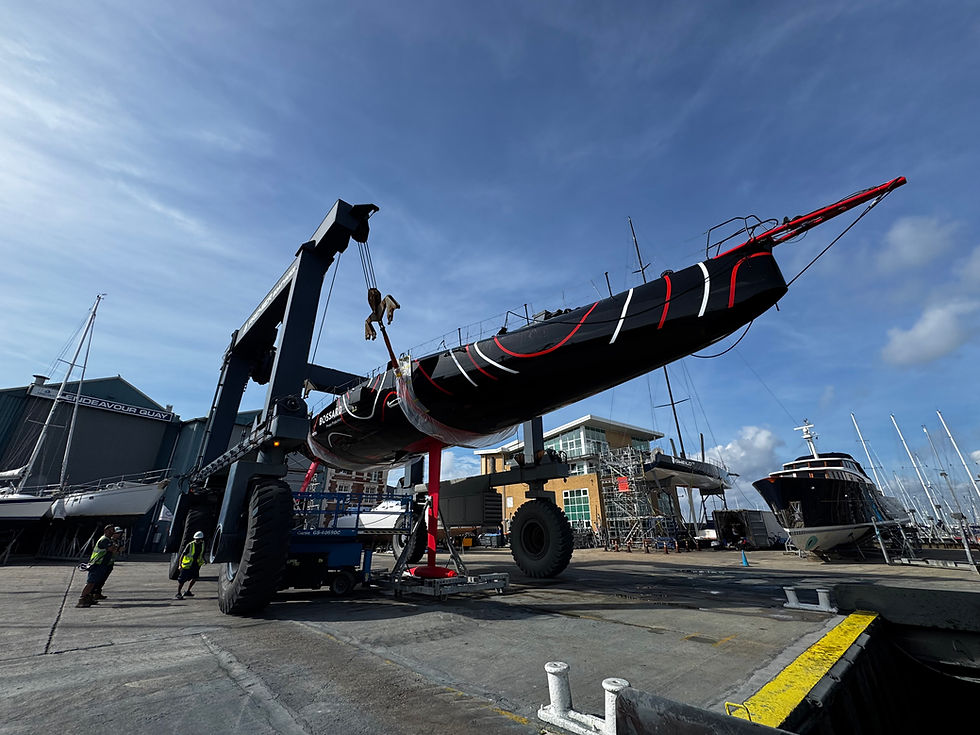
On 1 September, Embrace The Challenge will line up off New York for the start of The Ocean Race Atlantic, the first competitive test for Oliver Heer Ocean Racing’s new boat and crew.
Months of testing, thousands of miles and one transatlantic delivery have brought the team to this point.
The race starts with a ceremonial dock out from New York at noon local time, with the official race start taking place around 100 miles offshore to protect vulnerable marine wildlife.

On paper, the route is simple: around 3,200 nautical miles from New York to Lorient. In reality, the North Atlantic will decide how those miles are sailed.
Pressure systems moving across the ocean can create rapidly changing conditions, while the Gulf Stream and continental shelf will both influence the early stages of the race. For Lincoln Dews, understanding that developing weather picture will be central to how the team approaches the crossing.
Lincoln Dews:
“The current forecast is starting to give us a clearer picture of what the North Atlantic might throw at us. We’ll be watching how the systems develop right up to the start and making sure we put the boat in the best position to take advantage of them.”
Time to Push
The recent Atlantic crossing to Newport gave the team ten days together offshore and a valuable opportunity to understand the boat in sustained conditions.
Racing will ask a different question: how hard can they push it?
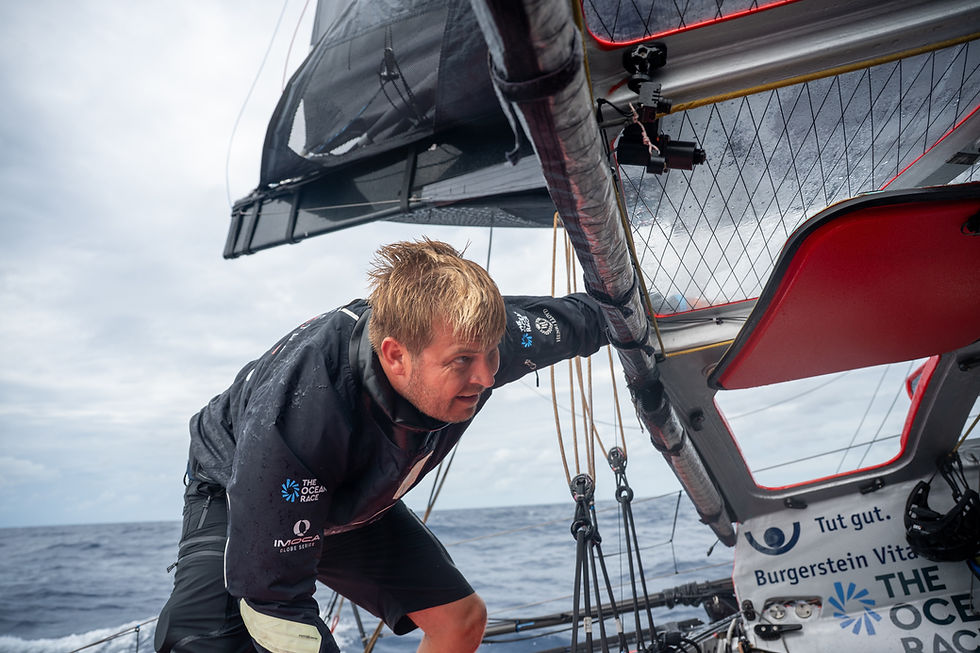
Fully crewed, an IMOCA can be driven harder, with sailors available around the clock to trim, manoeuvre and maintain performance. That only works if the boat and its systems remain reliable.

For Liz Wardley, that balance between performance and reliability will be one of the key challenges.
Liz Wardley:
“We know a lot more about the boat now after the miles we’ve sailed together. During the race, a big part of my role will be making sure the systems keep working reliably so that we can keep pushing the boat as hard as we can.”
At the same time, The Ocean Race Atlantic will give the team its clearest benchmark yet of Embrace The Challenge’s performance against the rest of the fleet, including three brand new IMOCAs.

Since taking ownership of the boat earlier this year, the focus has been on understanding the sail crossovers, calibrating performance data and learning how the boat responds when sailed fully crewed.
For Marie Riou, the race is the first real opportunity to turn that work into direct comparison on the water.
Marie Riou:
“I’m really looking forward to seeing where we stand against the fleet. We’ve learned a lot in training, and now it’s about seeing where we’re strong, where we can push harder and where there’s still more performance to find.”
Four Sailors, One Team
One of the biggest changes for Ollie is that this time he isn’t crossing the Atlantic alone.
After completing the Vendée Globe solo, this campaign marks a shift into fully crewed IMOCA racing. Over recent months Ollie, Liz, Marie and Lincoln have trained together, completed shorter offshore sessions and, most recently, sailed their first full transatlantic passage as a team.
Now they get to race together.

Ollie Heer:
“We’ve learned a huge amount about each other over the last few months, and the crossing to Newport gave us a lot of confidence as a crew. Now we get to put that teamwork under race pressure and see what we can achieve together.”
The fleet is expected to take around a week to cross the Atlantic, with the first boats currently anticipated in Lorient around 8–9 September.
The result will matter, and so will everything the team learns along the way.
The Ocean Race Atlantic is the first chance to measure Embrace The Challenge against the fleet, test the crew under genuine race pressure and identify where the next gains need to come from ahead of The Ocean Race 2027.
After months of preparation, the next step is simple.
Race.

Comments